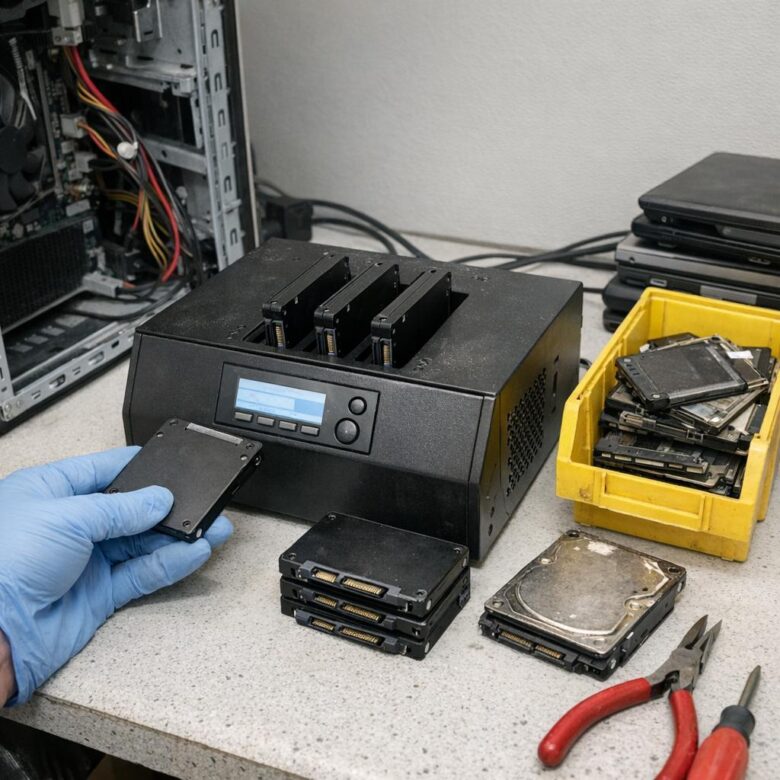
SSD retirement requires cryptographic erase or vendor-approved sanitize commands, verified results, chain-of-custody records, and compliant destruction when reuse is not permitted.


TCO analysis should weigh lease fees, upgrade cycles, support, downtime, depreciation, and scalability against upfront build costs to identify the best workstation strategy.
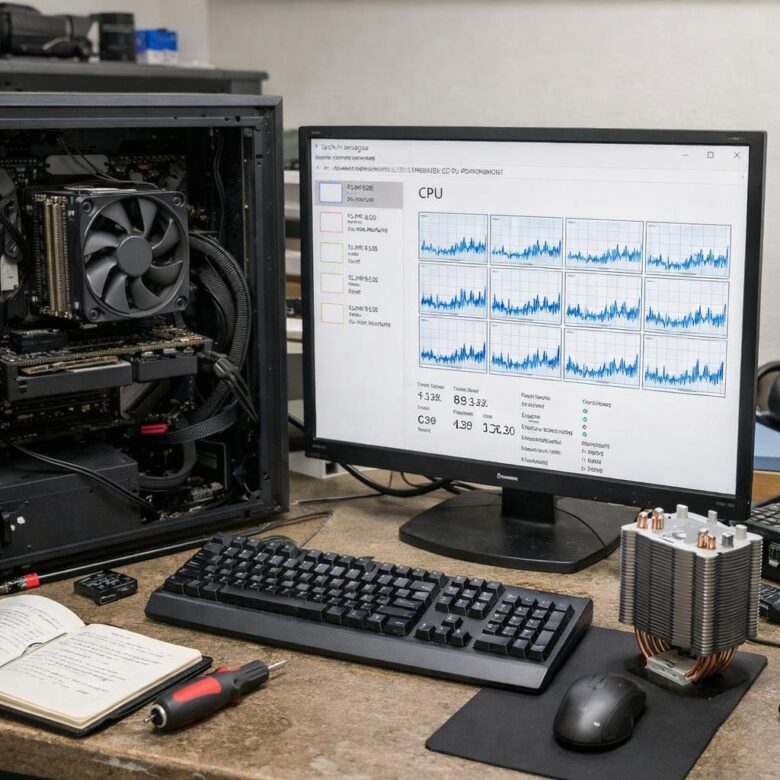
Maximize threads: set Windows 11 to Best performance, keep chipset drivers current, enable XMP/EXPO, and close background services that steal CPU scheduler time.
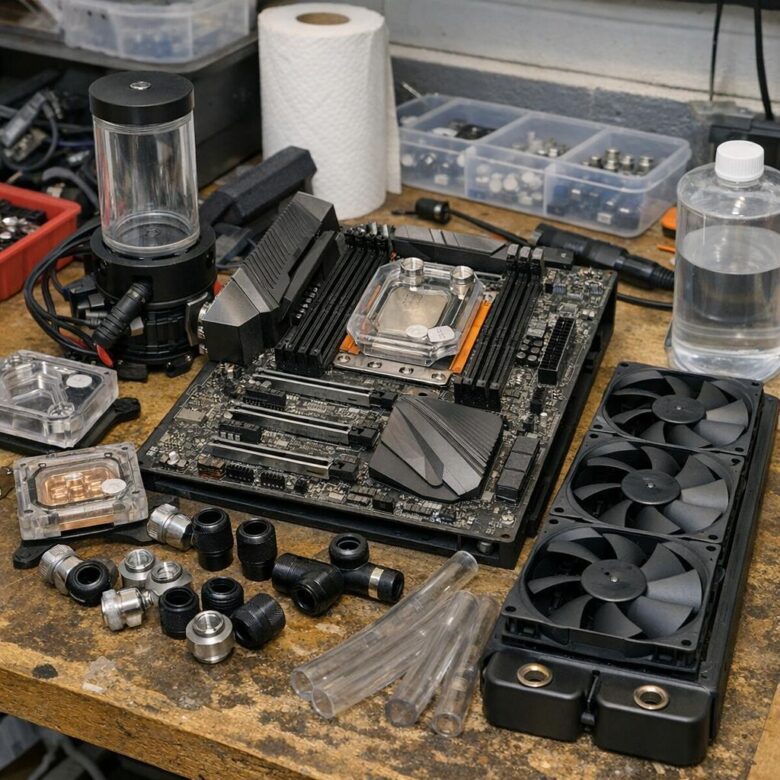
Threadripper loops need high-flow pumps, dense radiators, and full-coverage sTRX4/sWRX8 blocks to tame sustained workstation loads without throttling.
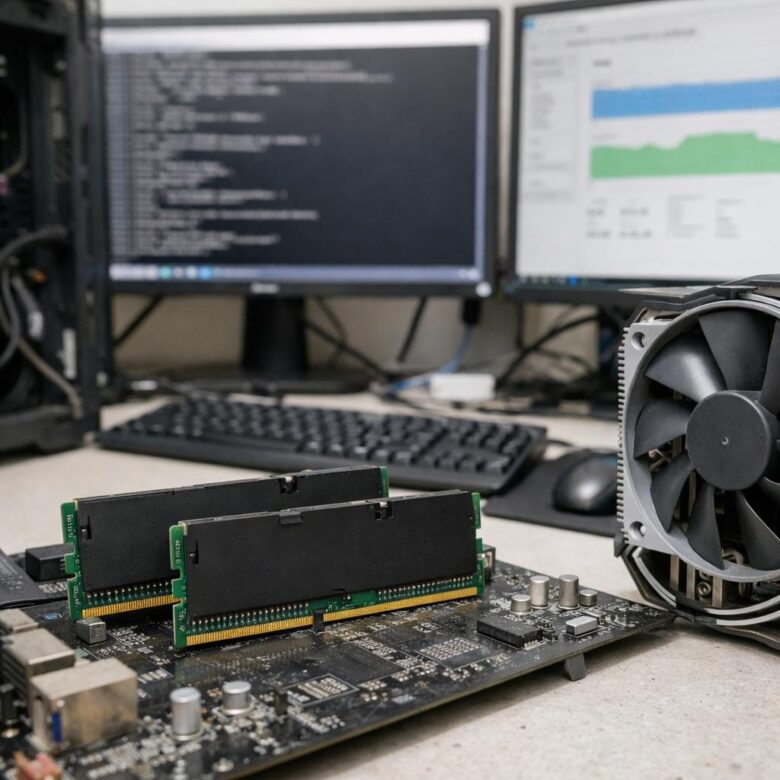
Lower CAS latency and balanced tRCD/tRP can reduce compile stalls, but bandwidth matters too. Use stable XMP/EXPO timings and validate with large parallel builds.
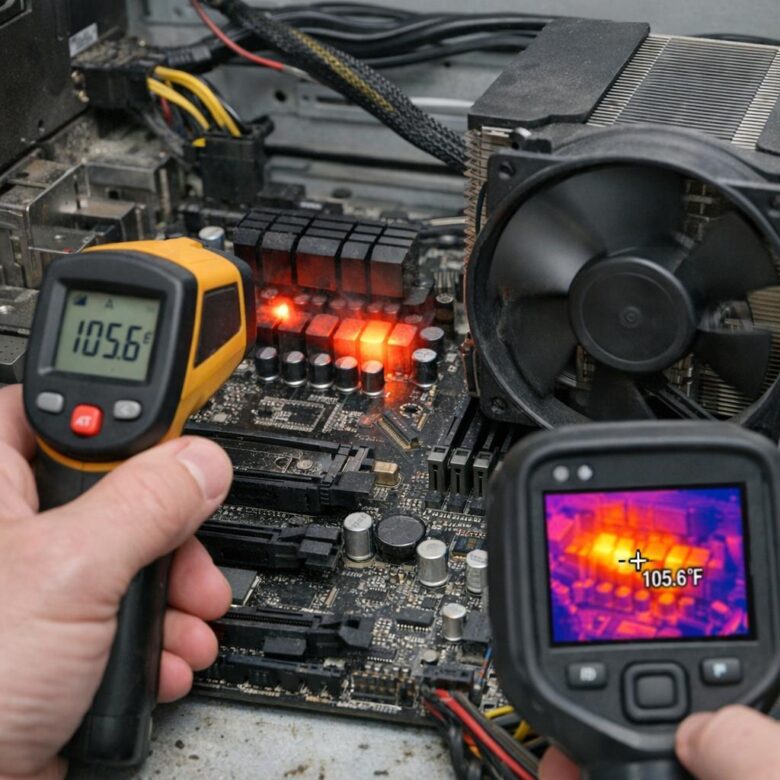
VRM overheating shows as clock drops, shutdowns, or instability under stress. Log MOSFET temps, inspect airflow, and confirm by retesting with direct fan cooling.
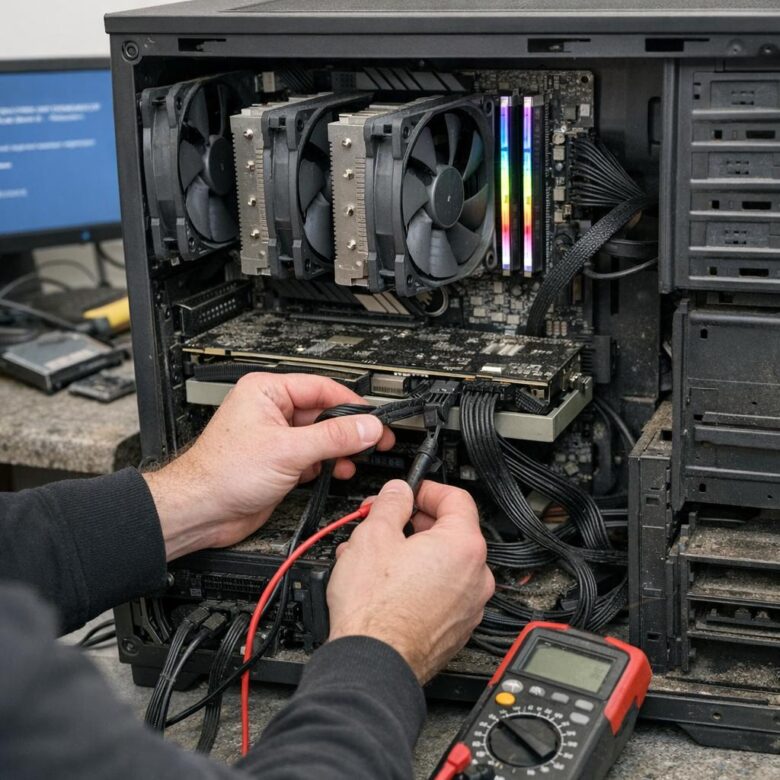
Kernel Power Event 41 in rendering PCs often points to unstable power delivery, thermals, or RAM/CPU/GPU overclocks. Start with PSU logs, stress tests, BIOS updates, and event correlation.
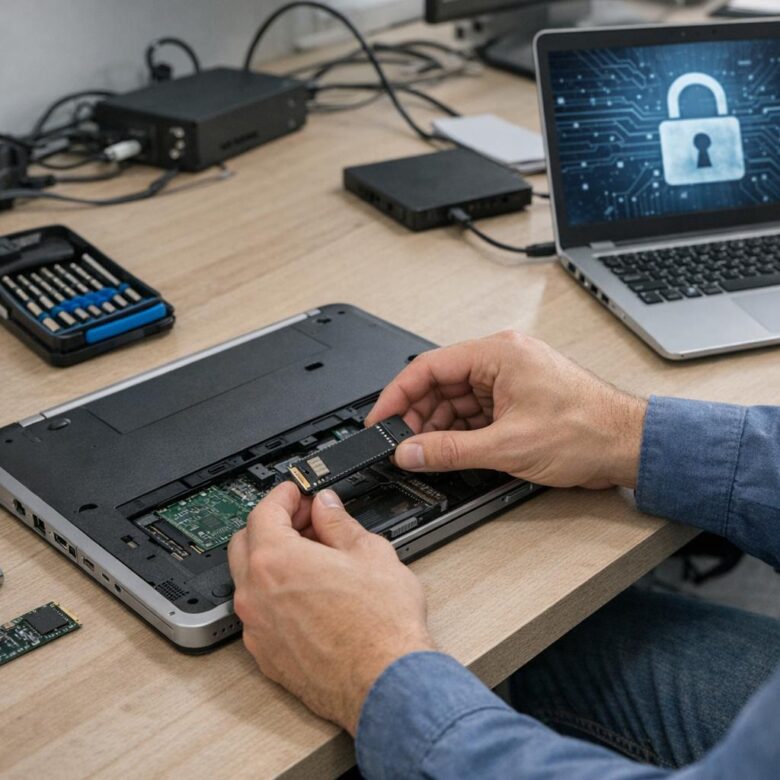
Hardware-level encryption protects remote laptops by securing data before boot, enforcing TPM-backed keys, and reducing breach risk if devices are lost or stolen.
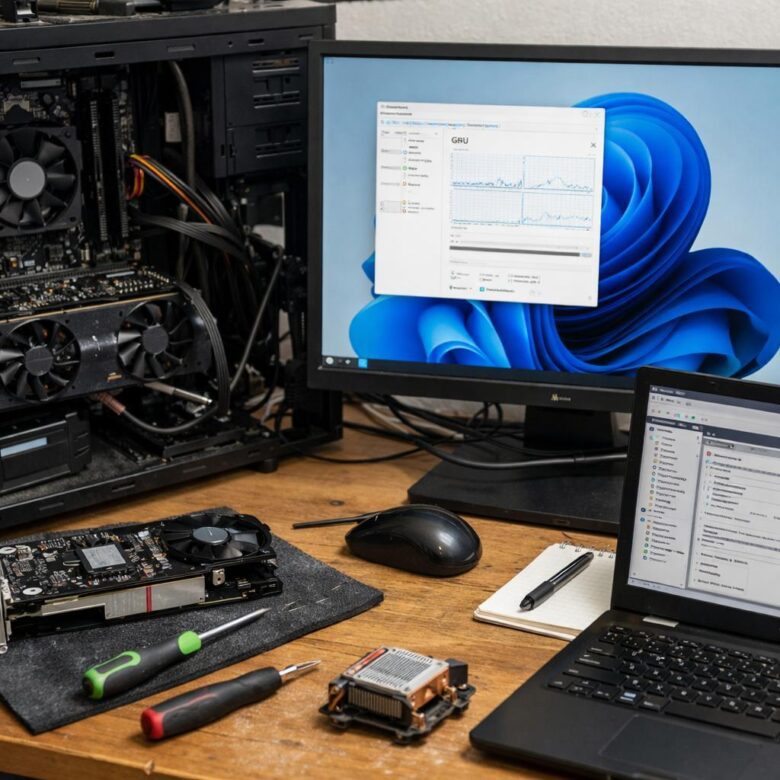
Fix Windows 11 GPU scheduling crashes: update graphics drivers, disable HAGS if instability persists, and verify BIOS, chipset, and overlay tools before retesting workloads.
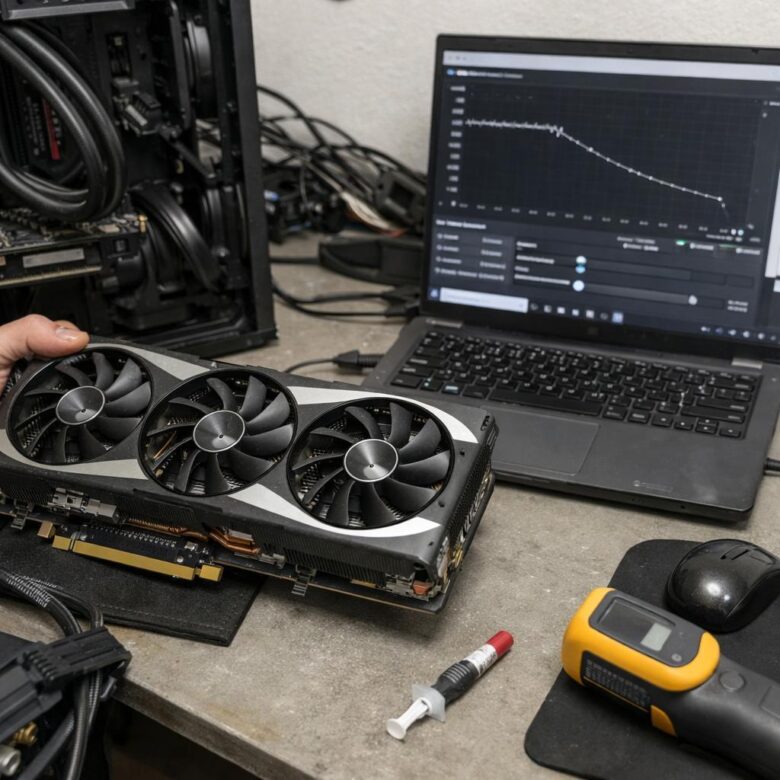
Undervolting high-end GPUs reduces voltage while preserving boost clocks, cutting heat, fan noise, and power draw. Test stability incrementally to protect performance and extend hardware lifespan.